How to Say Goodbye: The ISOB’s Final Report
Communicating an ending is hard. Communicating an ending for a body scrutinising racial equity within policing - with two months' notice and a five-year legacy to honour - is a different challenge entirely.
When the Independent Scrutiny and Oversight Board (ISOB) approached the conclusion of its mandate, the communications challenge wasn't simply about getting coverage. It was about doing justice to the weight of what was being closed, while making the case that the work it had generated still had somewhere to go.
The ISOB was established in 2021 to scrutinise policing's commitment to become anti-racist through the Police Race Action Plan. That it was reaching the end of a fixed mandate didn't mean the issues had resolved. It meant we had one moment to place five years of scrutiny into the public record, and point it forward.
How do you mark the end of something without making it feel like a full stop? How do you honour the conclusion of a body's work while insisting that the issues it was scrutinising haven't gone anywhere?
Our scope: Develop a final report that could serve as a legacy document - one that carried the ISOB's work beyond the moment of publication - and then amplify it to the audiences that mattered.
Our work covered report development, media strategy and relations, content strategy and creation, and stakeholder engagement. Design was delivered in partnership with Nicho Designs, working within the ISOB's established branding.
Our approach: We wanted to shift the usual way of doing the ISOB's annual reports. A standard progress update would have undersold what this moment actually was. The ISOB was reaching the end of its mandate. The five years of testimony, institutional memory and hard-won insight held by the people closest to this work risked being filed away rather than carried forward. So instead of a report assessing progress over a twelve-month period, we gathered the experiences and insights of the people closest to this work, not just the Board itself.
We held in-depth interviews between February and March 2026 with 36 individuals who had direct experience of engaging policing on anti-racism. Some had been doing this work for nearly four decades.
We developed two separate but complementary documents. The first, a report documenting what had and hadn't changed over the five years of the Police Race Action Plan, grounded in that testimony. The second, a practical engagement guide translating that testimony into tools for the organisations, practitioners and advocates still doing this work. The report looked back and made the case. The engagement guide pointed forward.
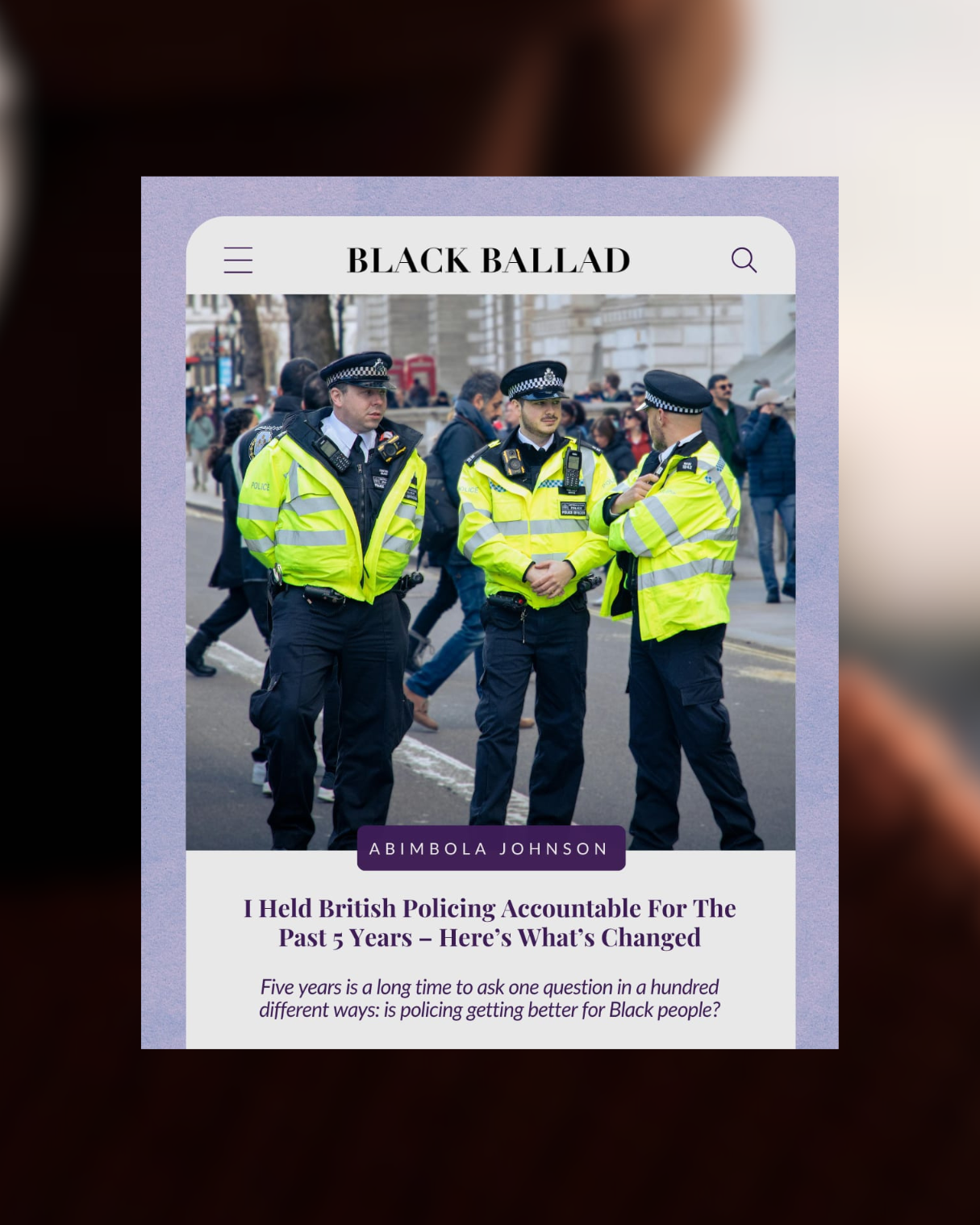
Alongside traditional national and trade media, we made deliberate choices about where else the story needed to live. An op-ed by ISOB Chair Abimbola Johnson, placed in Black Ballad, gave her space to speak to the more emotional, less news-driven dimensions of five years in a scrutiny role. That piece couldn't have lived in a national. Black Ballad reaches Black British women directly, as a trusted platform rather than a general interest one. The story required both registers, and each needed a different home.
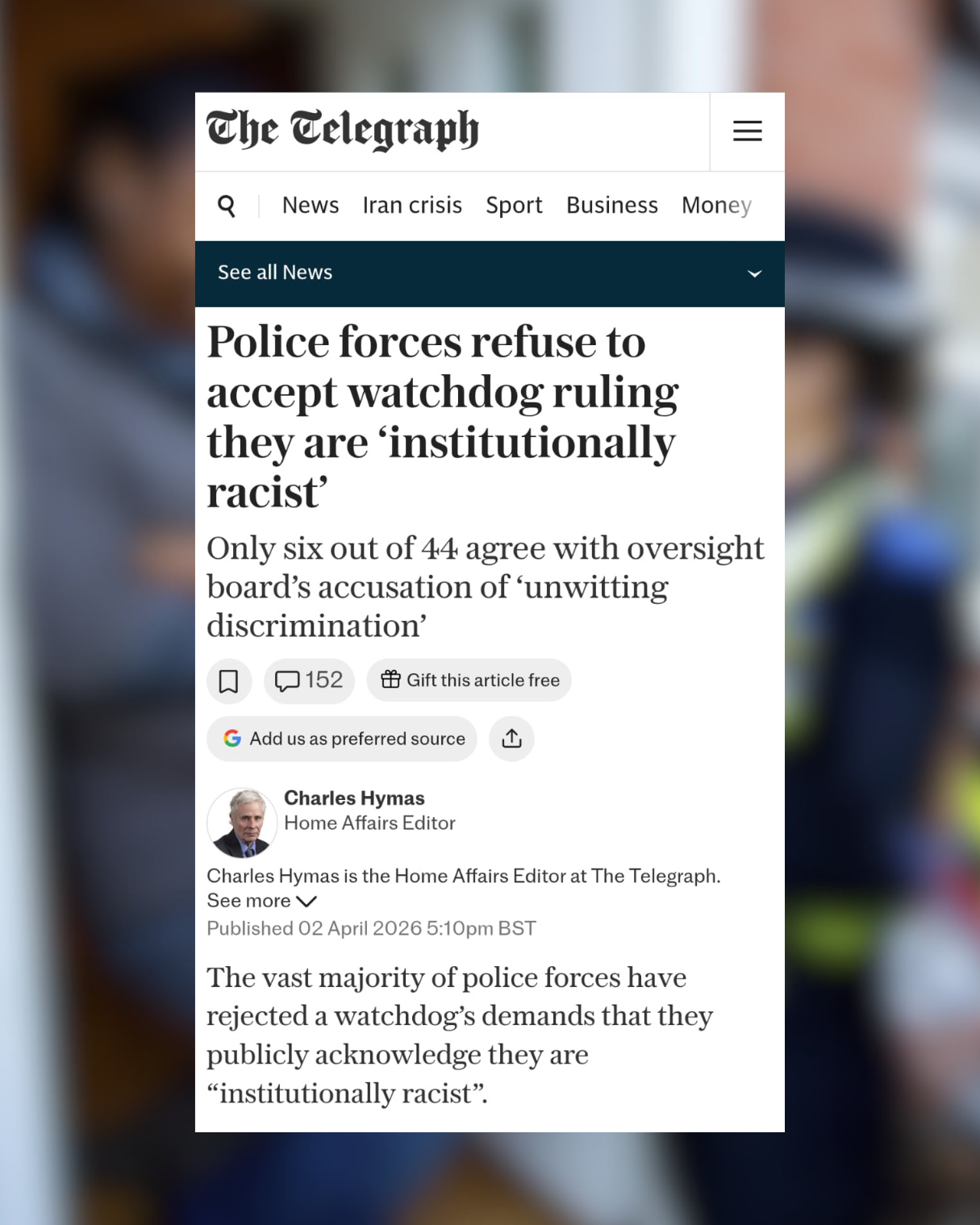
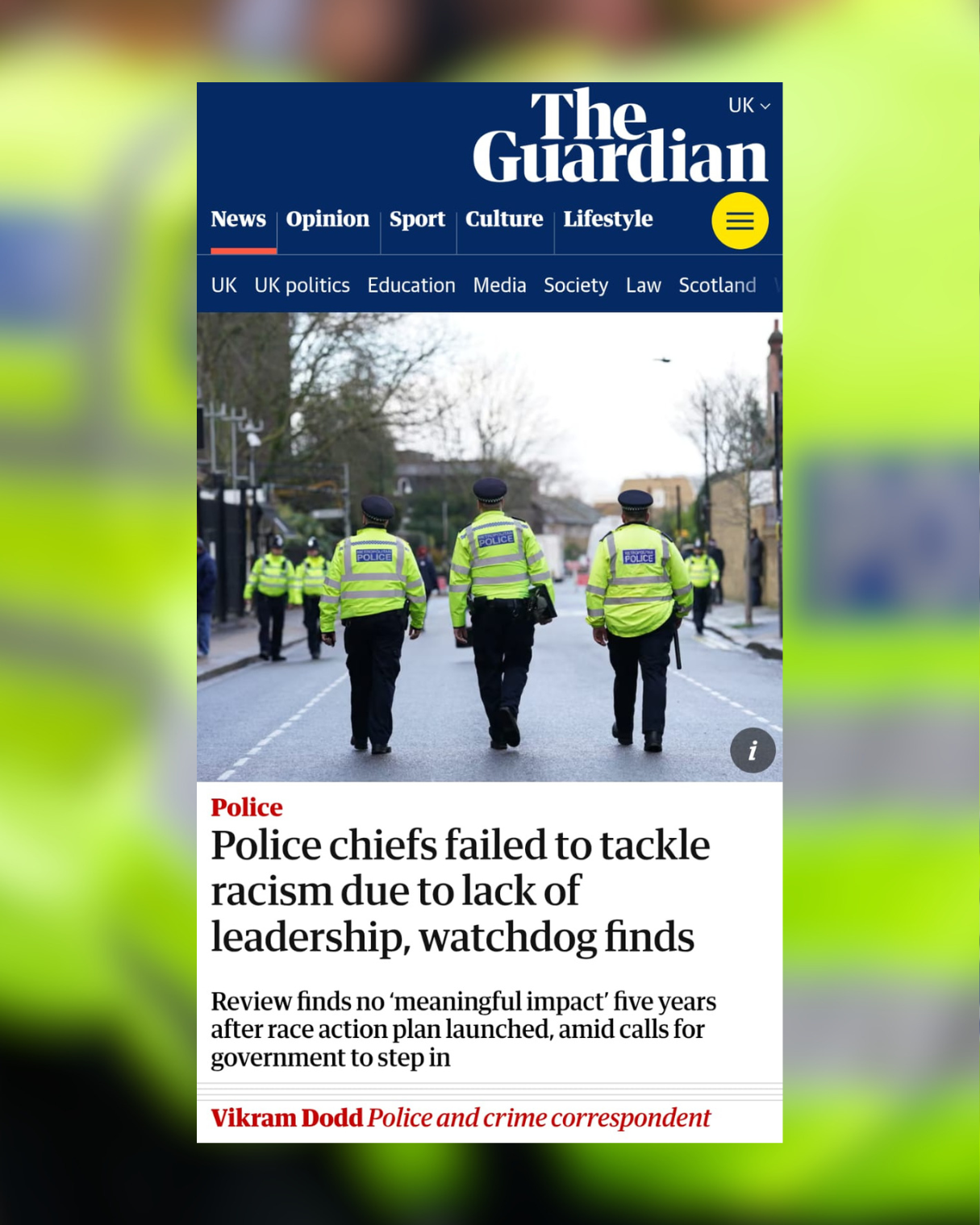
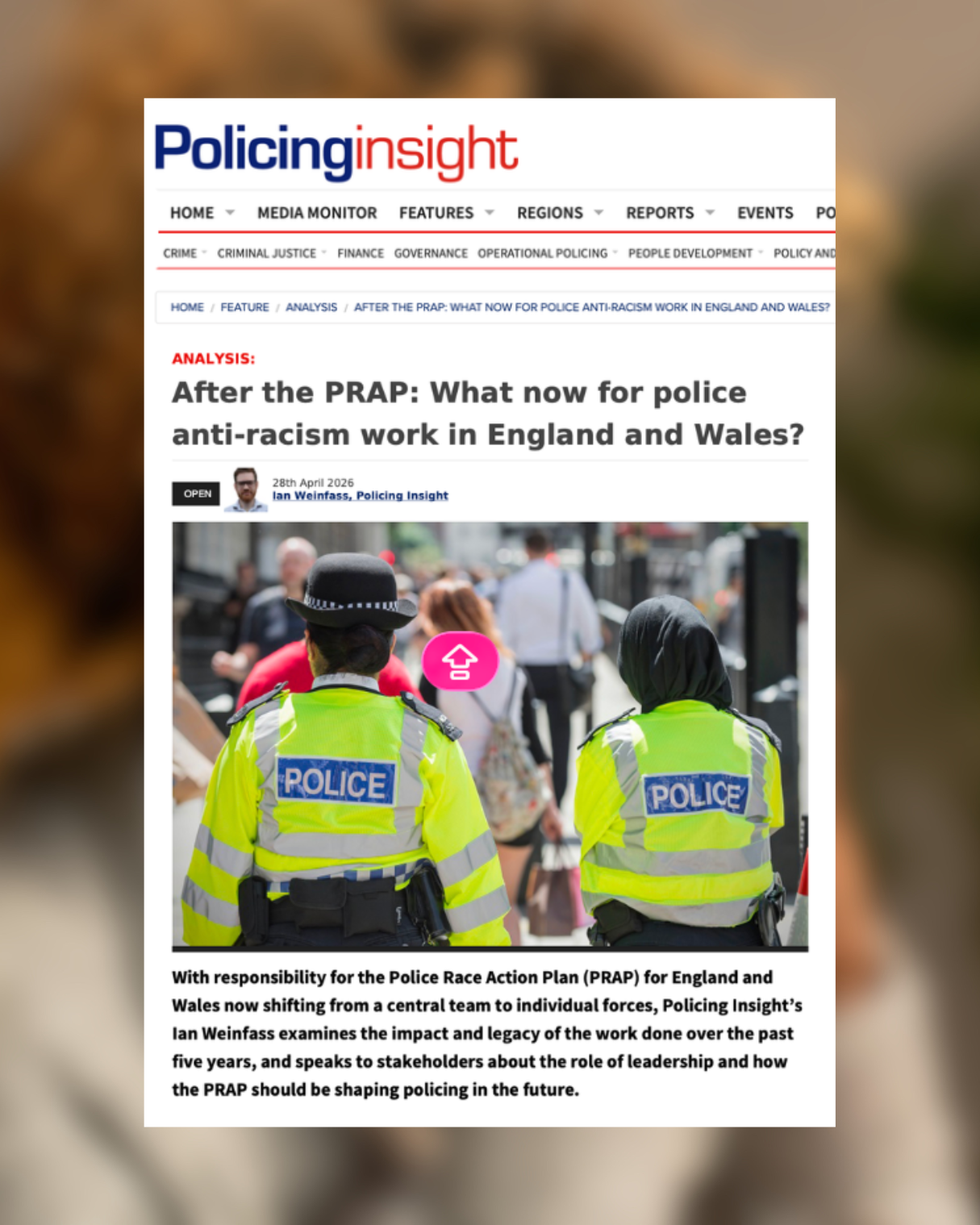
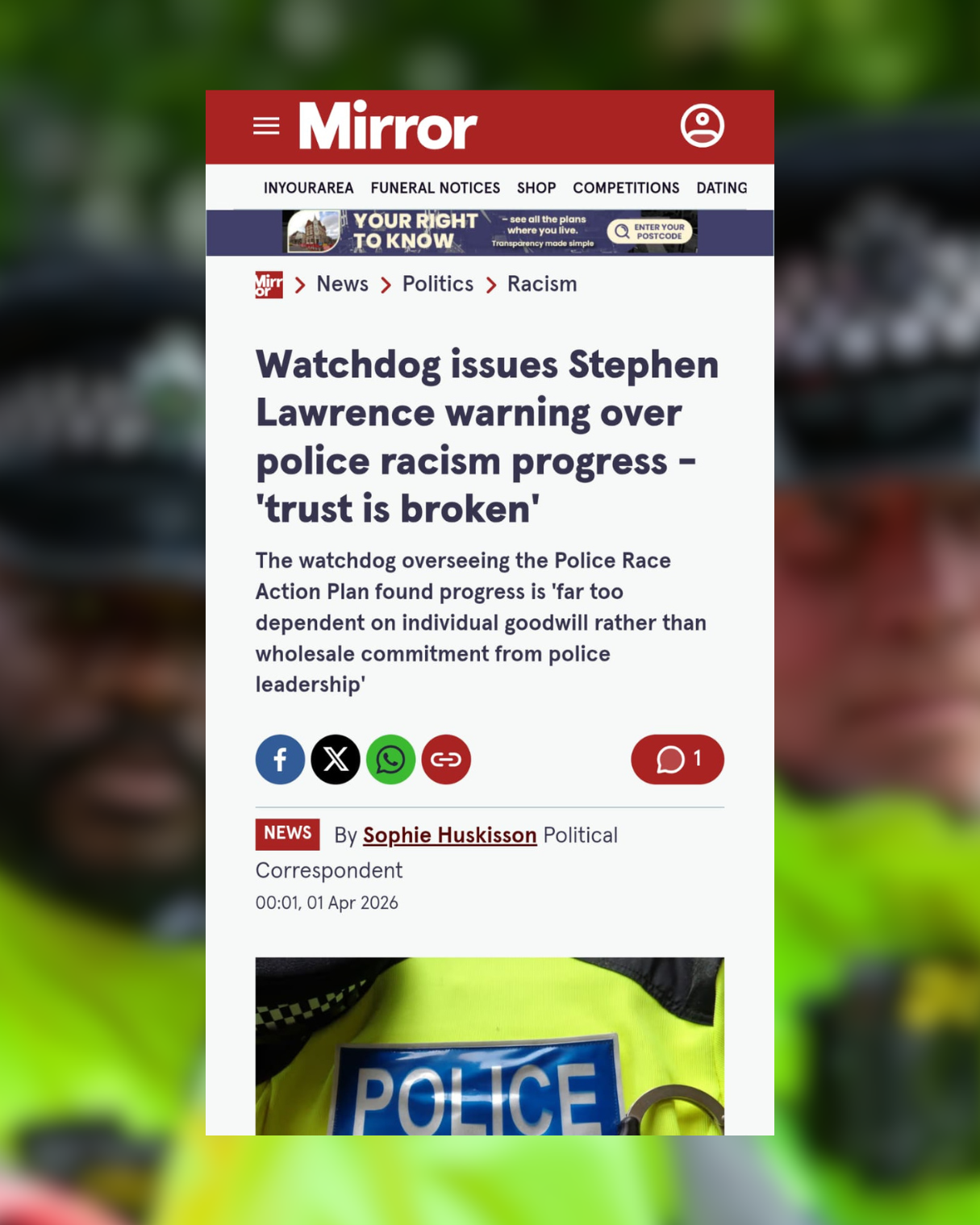
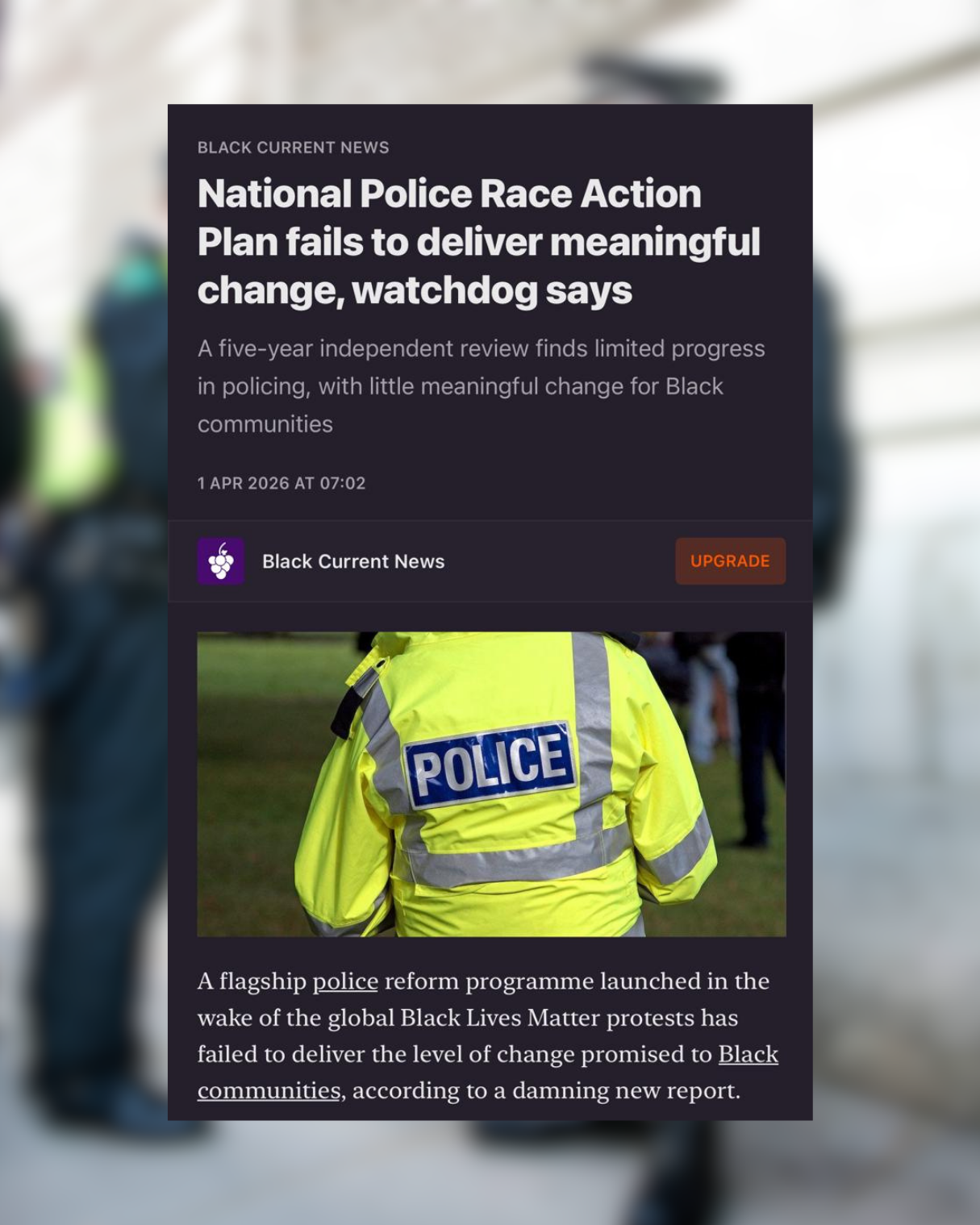
Results: The story landed where it needed to: target nationals such as The Guardian and The Times, Policing trades including Police Professional and Policing Insight, and new media platforms including the Black Current Substack and Black Ballad – outlets that reach communities with a direct stake in this work.
The ISOB's final report is now in the public record. The engagement guide is in the hands of the practitioners still doing the work it scrutinised. A send-off, done well, doesn't close things down. It hands them on.
If your organisation is navigating the end of a mandate, a report that needs to reach beyond its immediate audience, or a story that requires more than a standard media strategy, get in touch.
You can read more about our wider work with the ISOB here.